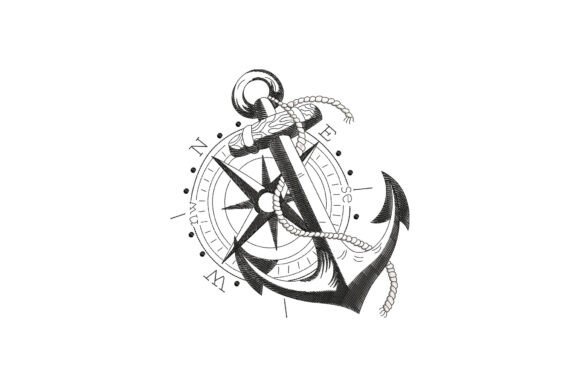
Anchor, Compass, and Rudder Embroidery Review
As I set up my table for the upcoming weekend craft fair, I am surrounded by stacks of tote bags, crisp tea towels, and soft pillow covers. The goal is always the same: to create a booth that stops people in their tracks and invites them to touch, feel, and buy. Today, I am reviewing a new machine embroidery design titled Anchor, Compass, and Rudder. This Beach-themed motif promises a touch of whimsy charm, but does it translate into a profitable craft fair product? Let’s dive into how this embroidery file performs when turned into real-world goods.
First Impressions: Whimsy Meets Nautical Tradition
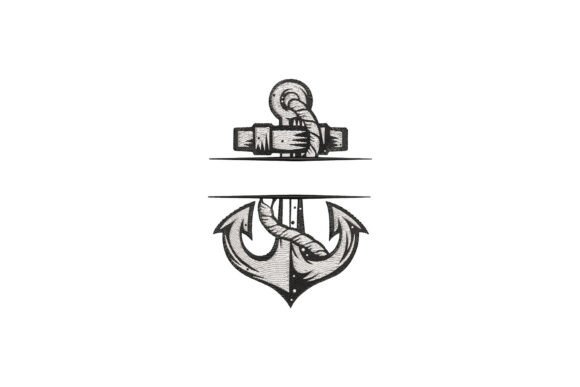
When I first loaded the digital embroidery file onto my machine, the visual impact was immediate. The combination of an anchor, a compass, and a rudder creates a balanced composition that feels both classic and slightly playful. It avoids being too kitschy while still retaining enough character to stand out on a crowded table. For an Etsy seller or boutique maker, this design strikes a sweet spot between rustic farmhouse aesthetics and modern coastal style. It doesn't scream "tourist trap"; instead, it whispers "handmade quality" and "thoughtful gift."
The whimsy charm mentioned in the description comes through in the line work. It isn't overly dense, which means it breathes well on fabric. However, as a professional designer, I know that what looks good on a screen must be tested on actual materials before mass production. The Anchor, Compass, and Rudder design has the potential to elevate a simple white t-shirt or a plain canvas bag into a premium finished product.
Product Performance Across Your Booth Display
To truly judge a design, you have to see it on the items you actually sell. Here is how I envision Anchor, Compass, and Rudder performing across various handmade products:
- Tote Bags: This is likely the strongest application. A large-scale version of the design centered on a natural cotton tote bag would look stunning. The nautical theme fits perfectly with the utilitarian nature of a market bag. Customers love carrying something that looks like art they can use daily.
- Tea Towels and Aprons: For kitchen decor, the tea towel embroidery application works beautifully. Imagine a cream-colored linen towel with the design stitched in navy blue or rust orange. The apron embroidery option is also viable, perhaps placed on the bib pocket. Just ensure the placement allows the design to be seen clearly when worn.
- Pillow Covers: Home decor buyers often look for texture. The raised dimension of the stitch density adds a tactile element to pillow covers that flat prints cannot match. This design would appeal to those decorating a sunroom or a beach house.
- Embroidered Patches and Caps: If you are selling smaller accessories, consider using this as an embroidered patch sewn onto denim jackets or hats. On a curved cap surface, however, you must be careful with the hoop size and layout to prevent distortion.
- Small Pouches: These make excellent impulse buys at a craft fair. A small cosmetic pouch with a miniaturized version of the design could be a perfect add-on sale.
Production Practicality and Visual Appeal
From a production standpoint, efficiency is key. You need a design that stitches quickly without errors so you can fulfill orders before the next market. The Anchor, Compass, and Rudder design appears to have clean lines, which suggests it will stitch reliably. However, there are practical considerations for any commercial embroidery business owner.
One major factor is how the design photographs. In the age of online sales, your printable mockup needs to do the heavy lifting. This design has distinct shapes that photograph well under natural light. The contrast between the thread colors and the fabric background will define its success. I recommend testing dark fabrics carefully; sometimes, intricate nautical details can get lost against black or deep charcoal unless you use a high-contrast stabilizer or lighter thread shades.
Furthermore, think about batch production. Can you reproduce this design consistently? If the design assets include tiny lettering or extremely fine details, they might not hold up when scaled down. For a small shop product, clarity is king. A customer should understand the imagery from three feet away. The bold outlines of the anchor and rudder suggest this design holds its shape well even at moderate sizes.
Careful Use Notes for Best Results
Even the best designs have limitations. Here are specific notes to keep in mind when working with Anchor, Compass, and Rudder:
- Dense Stitch Areas: Check the center of the compass. If the stitch count is too high in one area, it may cause puckering on thin fabrics like t-shirts. Always test on scrap fabric first.
- Fabric Texture: Textured towels can sometimes interfere with fine details. Ensure your thread colors pop against the weave of the towel.
- Curved Surfaces: When applying this to caps, the curve can distort the straight lines of the rudder. Adjust the hoop size and tension accordingly.
- Dark Fabrics: Darker backgrounds require more coverage stitches, which increases time and thread usage. Calculate your costs based on this if pricing for profit.
Maximizing Customer Engagement and Brand Value
Why does this design matter for your brand? Consistency builds trust. If your booth features a cohesive Beach theme, having a signature design like Anchor, Compass, and Rudder helps customers remember you. It signals that you specialize in curated, high-quality items rather than random assortments.
This design elevates the perceived value of your products. A plain pillow cover sells for a certain price, but one adorned with a professionally stitched nautical motif commands a higher price point. It tells the buyer, "This is handmade with care." For the Etsy seller, this translates to better reviews and repeat customers who appreciate the craftsmanship.
At the craft fair, visual appeal drives engagement. Hang your embroidered totes prominently. Drape the tea towels over a wooden rack so the stitching catches the light. Place the patches on a felt board where they can be easily picked up and examined. The tactile nature of Embroidery invites interaction, which is crucial for closing sales in a physical marketplace.
Designer's Checklist Before Production
Before you commit to producing a full run of Anchor, Compass, and Rudder products, follow these steps to ensure success:
- Test on Scrap Fabric: Never skip this step. Run the design on the exact fabric you plan to sell to check for puckering and registration issues.
- Check Thread Contrast: Verify that your chosen thread colors provide enough contrast against the base material for visibility.
- Review Spacing and Hoop Size: Ensure the design fits comfortably within your hoop without stretching the fabric excessively.
- Inspect Stitch Density: Look for areas that might be too tight or too loose. Adjust settings if necessary to maintain the integrity of the machine embroidery design.
- Use the Right Stabilizer: Different fabrics require different support. A tear-away stabilizer might work for towels, while a cut-away is better for stretchy tees.
- Create Real Mockups: Take photos of the actual stitched item, not just digital renderings. Authentic photos build trust with online buyers.
- Confirm Licensing: Double-check your license terms. Ensure you are allowed to sell finished products commercially and whether there are restrictions on the number of items you can produce.
In conclusion, Anchor, Compass, and Rudder is a versatile and charming addition to any digital embroidery file library. With its blend of traditional nautical elements and whimsical execution, it has the power to transform basic textiles into desirable handmade gifts. By paying attention to production details and strategic display, you can turn this design into a top seller for your next craft fair or online shop launch.