Cute Helicopter Embroidery Design Review for Craft Fairs
As an experienced embroidery designer preparing my booth for the upcoming weekend craft fair, I am constantly evaluating new machine embroidery design assets to see which ones will truly move off the table. Today, I am putting the Cute Helicopter through its paces. This design falls under the Transportation category, but its charm suggests it belongs in a much broader market of whimsical and playful handmade goods. My goal is to determine if this specific Embroidery file can elevate my product line from "nice" to "must-have" for customers browsing my display.
First Impressions: A Whimsical Addition to the Booth
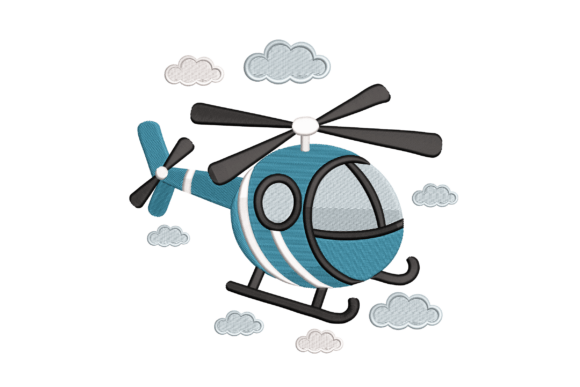
When I first loaded the Cute Helicopter into my digitizing software, the immediate vibe was undeniably cheerful and approachable. It does not feel industrial or rugged; instead, it leans heavily into a soft, modern aesthetic that appeals to parents, aviation enthusiasts, and anyone who appreciates a touch of nostalgia. The description promises to "elevate your embroidery projects," and visually, the clean lines and friendly proportions suggest exactly that. It feels like a design that works equally well as a standalone focal point on a large canvas or as a charming accent on a smaller accessory.
For a craft fair setting, where visual appeal dictates the initial stop at a booth, this design has significant potential. It stands out against the typical floral or farmhouse motifs often found in handmade markets. The playful nature of a helicopter makes it an instant conversation starter, drawing the eye of children and adults alike. Whether you are an Etsy seller looking to refresh your digital shop or a boutique maker prepping physical inventory, this design offers a fresh angle within the transportation niche.
Product Applications: Where Cute Helicopter Shines
The versatility of the Cute Helicopter is its strongest selling point. In my production planning, I have identified several key products where this design will perform exceptionally well. First and foremost, tote bag design applications are a natural fit. A large, colorful version of this helicopter centered on a sturdy cotton tote creates a statement piece that is both functional and fashionable. These bags are high-margin items that sell quickly at craft fairs because they serve as practical shopping bags for other vendors while advertising your brand.
Kitchen textiles are another prime category. Imagine tea towel embroidery featuring this little aircraft in the corner or center. The description specifically mentions kitchen towels, and I agree completely. A tea towel embroidery project with this motif adds a pop of personality to a home kitchen. Similarly, apron embroidery using this design would be perfect for a chef's apron or a child's cooking helper apron. The durable fabric of an apron holds the stitches well, ensuring the design remains crisp after repeated washes.
Beyond apparel and linens, the Cute Helicopter translates beautifully into wearable accessories. An embroidered patch version of this design could be sold individually or attached to denim jackets and backpacks. Patches are low-cost, high-volume items that are easy to pack and ship for online sales. Additionally, small fabric pouches, caps, and pillow covers offer varied price points. For example, placing a smaller version of the design on the front of a baseball cap creates a trendy, youthful look that appeals to younger demographics visiting the market.
Production Realities: Stitch Density and Fabric Texture
While the visual appeal is high, a professional review requires a critical look at the technical execution. As we prepare for batch production, we must consider how the design interacts with different materials. One of the primary concerns with any detailed vehicle design is stitch density. If the helicopter features intricate rotor blades or cockpit windows, these areas can become dense. On thick fabrics like heavy canvas or textured towels, excessive density can cause puckering, ruining the polished finish the description promises.
To mitigate this, I always recommend testing the design on scrap fabric before committing to a full run. Check the thread colors against your base material. A light-colored helicopter might get lost on a busy patterned background, whereas a bold color palette will ensure visibility from across the room. Furthermore, consider the hoop size required. If the design is too large for a standard 4x4 hoop, it may require repositioning or a larger machine, which slows down production time during a busy weekend market setup.
Fabric texture plays a crucial role here. While smooth cottons work perfectly, highly textured fabrics like loop-back terry cloth (common in tea towels) can sometimes obscure fine details. If the Cute Helicopter includes tiny lettering or very thin lines, these may not render clearly on rougher surfaces. In such cases, simplifying the design or increasing the scale slightly ensures the final finished product maintains its clarity and charm.
Selling Strategy: From Booth Display to Digital Listings
From a sales perspective, the Cute Helicopter offers excellent opportunities for branding and customer engagement. At a craft fair, I plan to create a dedicated section for "Aviation & Adventure" items, grouping the embroidered totes, patches, and caps together. This thematic grouping helps customers visualize the lifestyle associated with the product. Using printable mockup images alongside the physical goods can also help buyers imagine the design on their own homes or wardrobes.
For Etsy sellers and digital creators, this design serves as a valuable asset for expanding a catalog. The ability to offer both physical handmade product examples and the digital embroidery file itself doubles the revenue stream. However, it is vital to confirm commercial licensing terms before selling finished goods or reselling the file. Ensure you have the right to use the design for commercial embroidery purposes to avoid legal issues down the road.
Photography is another key factor. Because this design is cute and colorful, it photographs exceptionally well in bright, natural light. High-quality images showing the design on various backgrounds—such as a rustic wooden table for the tea towels or a denim jacket for the patches—will significantly boost click-through rates on online listings. The design's simplicity allows it to look premium without requiring overly complex staging.
Designer Notes: Best Practices for Success
To ensure the highest quality output, I adhere to a strict checklist when working with designs like Cute Helicopter. First, always test on the actual fabric you intend to sell. Second, use the appropriate stabilizer to prevent shifting and puckering, especially on stretchy or textured materials. Third, review the spacing between elements to ensure no threads are crossing awkwardly. Finally, create at least one real mockup to validate the look and feel before mass production.
By carefully selecting the right products, managing stitch density, and leveraging the design's playful nature, the Cute Helicopter can become a star performer in your small shop product lineup. Whether displayed on a bustling craft fair table or featured in a curated online store, this design has the potential to attract attention, engage buyers, and deliver a polished, professional finish that customers will love.