Reviewing the Military Grenade Embroidery Design
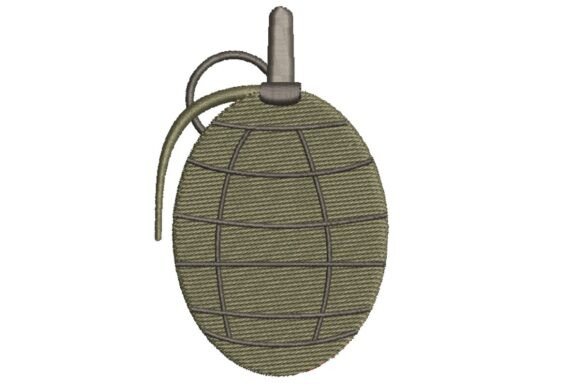
As an experienced embroidery designer who has spent years translating digital files into tangible brand assets, I approach every new design with a critical eye. The goal is never just to make something look good on a screen; it is to ensure it survives the rigors of production and enhances the brand identity of the small business using it. Today, I am reviewing a specific machine embroidery design titled Military Grenade. This realistic military grenade, complete with its textured body and pin, is ideal for tactical gear, military enthusiast projects, or adding a rugged edge to bags, uniforms, and themed apparel. This description sets high expectations for detail and durability, which are crucial factors when selecting digital embroidery files for commercial use.
First Impressions: Boldness Meets Tactical Precision
When I first loaded the preview of the Military Grenade, the visual impact was immediate. Unlike whimsical or abstract designs that rely on soft curves and pastel tones, this piece exudes authority and strength. The design feels professional, bold, and distinctly modern, yet it carries a classic aesthetic associated with tactical gear. For a small business owner looking to create custom apparel that stands out in a crowded marketplace, this level of visual confidence is essential. The textured body of the grenade suggests a high level of intricacy, promising a finished product that looks premium rather than cheap or mass-produced.
However, the realism of the design also raises questions about execution. A design this detailed requires precision in stitching. If the stitch density is not managed correctly, the texture could become muddied, losing the definition that makes the grenade look "realistic." For businesses creating embroidered patches or branding for their staff uniforms, the initial impression must translate perfectly from the digital file to the physical fabric. The design succeeds in feeling rugged, but that ruggedness must be achieved without compromising the structural integrity of the garment.
Evaluating Real-World Business Applications
The versatility of the Military Grenade extends far beyond simple decoration. In my review, I considered how this embroidery file would perform across various platforms common to small business merchandising. One of the most effective uses I envision is for cap embroidery. Placing this design on the front of a structured trucker hat or a five-panel cap creates an instant focal point. The vertical orientation of the grenade works well within the limited space of a cap front, provided the scale is adjusted appropriately.
Another strong application is in apron embroidery for boutique workshops or creative studios that want to project a "tough" or "industrial" vibe. Imagine a local bakery or a coffee shop with a gritty, urban theme; a small version of this design on the chest pocket of a staff apron adds a unique character that separates them from competitors. Similarly, as a tote bag design, the Military Grenade can serve as a conversation starter. When embroidered on canvas or heavy cotton, the texture of the design complements the natural weave of the fabric, enhancing the perception of a handmade product.
For those selling on Etsy or running online stores, this design asset is valuable for creating cohesive collections. It can be used on patch packs sold individually or integrated into larger branded merchandise lines. The key is consistency. If you are building a line of tactical-inspired accessories, having a high-quality digital embroidery file like this ensures that your brand identity remains sharp and recognizable across different products, from work shirts to customer gifts.
Strategic Placement and Brand Perception
Where you place the Military Grenade significantly affects how customers perceive your brand. On a sleeve, it acts as a subtle badge of affiliation or style, perfect for event merch or limited-edition drops. On a chest logo accent, it commands attention and signals professionalism. However, businesses must be mindful of the message they are sending. While the design is visually striking, it carries connotations of power and intensity. It is best suited for brands targeting enthusiasts, outdoor adventurers, or those with an edgy, industrial aesthetic. Using it on delicate fabrics or for brands focused on soft, gentle themes would create a dissonance that could confuse customers and dilute trust.
Critical Considerations for Production
While the potential for the Military Grenade is high, there are specific areas where caution is required. As a designer, I always advise clients to test the design before committing to a full production run. One major concern is the size of the design relative to the application area. On small patch sizes, the intricate details of the textured body might get lost if the stitch count is too high for the available space. It is vital to check if the design scales down effectively without becoming a solid blob of thread.
Furthermore, the complexity of the pin and lever mechanisms in the design requires careful attention to thread colors. High contrast is necessary to define the edges, but too many color changes can increase production time and cost. For dark uniforms, a light-colored outline or underlay will be essential to make the design pop. Conversely, on light fabrics, darker threads may be needed to maintain the "rugged" feel described in the product overview.
Fabric texture also plays a role. The design mentions suitability for tactical gear, which often involves durable, woven materials. However, if you plan to use this on stretchy knits or very thick fleece, the tension settings and stabilizer choice become critical. Without proper backing, the detailed outlines could pucker, ruining the professional finish. Always test on real fabric scraps to confirm the hoop size and stabilizer requirements before moving forward.
Designer Checklist for Success
- Test in Black and White: Verify the silhouette and spacing of the design elements without the distraction of color.
- Check Small Scale Viability: Ensure the textural details remain visible when reduced for cap fronts or small patches.
- Review Thread Contrast: Select colors that highlight the pin and body against the intended background fabric.
- Confirm Hoop Size: Make sure the design fits comfortably within your machine's hoop without distorting the image.
- Use Proper Stabilizer: Apply tear-away or cut-away stabilizers based on the weight and type of fabric.
- Create a Mockup: Generate a printable mockup for client approval to visualize the final result on the actual product.
- Verify Licensing: Confirm that the commercial embroidery license allows for unlimited reproduction for business sale.
Final Verdict on Commercial Value
The Military Grenade is a powerful addition to any library of design assets for small business owners and embroidery shops. Its realistic nature and bold aesthetic make it an excellent choice for creating memorable, high-value merchandise. Whether used as a standalone patch, a uniform accent, or a decorative element on tote bags, it has the potential to elevate a brand's presentation. However, success depends on thoughtful application. By respecting the limitations of stitch density, choosing the right fabrics, and ensuring proper licensing, businesses can leverage this design to build customer engagement and trust.
In the competitive world of handmade products and custom apparel, the details matter. A well-executed embroidered patch can turn a simple item into a collectible piece of memorabilia. The Military Grenade offers that opportunity, provided it is handled with the care and expertise it deserves. For those ready to add a rugged edge to their brand, this design is a strong contender, but always remember to test, refine, and approve before mass production.