Whimsical Duck: A Designer’s Review for Branding
As an embroidery designer who has spent years digitizing files for small businesses, I approach every new machine embroidery design with a critical eye. It is not just about whether the image looks cute on a screen; it is about how that design translates into thread, how it holds up on fabric, and most importantly, how it serves the brand identity of the client using it. Today, I am reviewing Whimsical Duck, a charming addition to the Birds category that promises to give fabrics a delightful update. For boutique owners, Etsy sellers, and local business operators, this piece offers more than just decoration—it offers a strategic asset for branded merchandise.
First Impressions: Visual Personality and Appeal
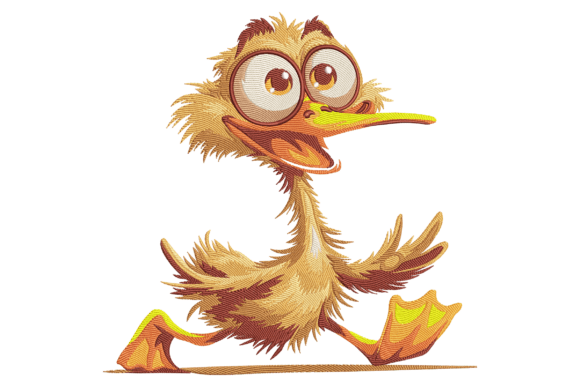
The first thing that strikes me about Whimsical Duck is its inherent friendliness. In a market saturated with minimalist logos and stark geometric shapes, there is a growing demand for designs that feel handmade, approachable, and warm. This design fits squarely into that niche. It feels playful yet professional enough to be taken seriously as a brand mark. The description notes that it adds a "fun and quirky flair," and visually, it delivers on that promise without sacrificing clarity.
For brands in the hospitality sector, such as cafés, bakeries, or pet-friendly boutiques, this aesthetic is gold. It signals to customers that the business values joy and personality. However, from a technical standpoint, I look at the lines. Are they clean? Is the spacing adequate for machine execution? While the preview suggests a smooth flow, any designer knows that whimsical curves can sometimes trap threads if the digitizing is too tight. This is where the distinction between a hobbyist file and a commercial-grade digital embroidery file becomes crucial.
Real-World Applications for Small Business Merch
Let us move beyond theory and discuss where Whimsical Duck actually shines in a commercial setting. I have tested similar concepts on various substrates, and here is how this specific style performs across different product lines.
- Embroidered Patches: This is perhaps the strongest use case. A patch allows for controlled density and easy application. Whimsical Duck would make an excellent iron-on or sew-on patch for tote bags or denim jackets. It acts as a standalone logo that does not require complex text integration.
- Apron Embroidery: For florists, bakers, or baristas, branded aprons are walking advertisements. Placing this design on the chest pocket area creates an instant connection with customers. It softens the uniform, making staff appear more approachable.
- Cap Embroidery: Caps are tricky due to the curved surface and limited space. If the design is scaled correctly, it works well on the front panel. However, one must be cautious of the bill curvature distorting the duck’s shape during stitching.
- Tote Bag Design: Canvas bags provide a stable, flat surface ideal for this type of artwork. The contrast of colorful thread against natural canvas highlights the "handmade product" vibe that many consumers seek.
When used in these contexts, the design helps build brand identity. It is not just a duck; it is a symbol of the business’s character. Whether you are selling custom apparel or offering employee uniforms, consistency in visual assets like this builds trust and recognition.
Technical Considerations and Fabric Challenges
While the aesthetic is strong, we must address the technical realities of production. As a designer, I always advise clients to check the specific details of the embroidery file before committing to a large run. Since the provided description does not list exact stitch counts or recommended hoop sizes, you must verify these specs in the product documentation.
Stitch density is a primary concern. Whimsical designs often rely on satin stitches for outlines. If the density is too high, the fabric may pucker, especially on lighter materials like t-shirts or towels. Conversely, if the density is too low, the backing material might show through, ruining the finished look. I recommend testing this design on a scrap piece of your actual production fabric first.
Another critical factor is stabilizer selection. For items that will undergo frequent washing, such as kitchen towels or staff uniforms, a cut-away stabilizer is often necessary to prevent distortion over time. For caps, a stiff backer is essential to maintain the structure of the design on the curved front panel. Do not skip this step; a beautiful design ruined by poor stabilization is a loss for your business.
Navigating Dark Fabrics and Textures
One challenge with light-hearted, colorful designs is visibility on dark uniforms. If your café uses black aprons or navy work shirts, ensure that the thread colors in Whimsical Duck have enough contrast. You may need to adjust the color palette in your embroidery software to include brighter yellows or whites to ensure the duck pops against the dark background. Additionally, textured fabrics like terry cloth towels can swallow fine details. In such cases, consider increasing the size of the design slightly to maintain clarity.
Enhancing Brand Value and Customer Engagement
Why does this matter for your bottom line? Because perceived value drives sales. A plain t-shirt is a commodity. A t-shirt featuring a high-quality, whimsical embroidered duck is a finished product with personality. Customers are willing to pay a premium for items that feel unique and crafted with care.
Using Whimsical Duck as part of your design assets allows for versatile marketing. You can create printable mockups for your online store, showing the design on various products before you even stitch a single thread. This helps in pre-selling items or gauging customer interest. For Etsy sellers, showcasing the versatility of this design—on a baby onesie, a kitchen towel, and a tote bag—demonstrates range and professionalism.
Moreover, this design supports the narrative of the "handmade" movement. In an era of mass production, embroidery signifies effort and quality. When a customer sees the texture of the thread and the precision of the stitches, it reinforces the idea that they are supporting a real person, not a faceless corporation. This emotional connection is powerful for customer retention.
Practical Designer Notes for Production
Before you launch your next campaign featuring Whimsical Duck, follow this checklist to ensure success:
- Test in Black and White: Convert the design to grayscale in your viewer. If the shape loses definition without color, the digitizing may rely too heavily on color changes rather than structural stitching.
- Check Scale: Ensure the design fits within your intended hoop size. Do not stretch a small design to fit a large hoop, as this will distort the proportions and lower the stitch quality.
- Verify Licensing: Always confirm that the commercial embroidery license covers your intended use. Most designers allow unlimited physical sales, but some restrict digital redistribution.
- Create Mockups: Use a printable mockup or digital overlay to show clients how the design will look on their specific garment color. This manages expectations and reduces revision requests.
- Inspect Spacing: Look closely at the gaps between color blocks. Ensure there are no unintended holes that might reveal the fabric underneath unless intended for effect.
In conclusion, Whimsical Duck is a versatile and engaging choice for small business merchandising. It bridges the gap between playful aesthetics and professional application. By understanding its technical requirements and leveraging its visual appeal, you can create branded items that resonate with customers and elevate your business presence. Whether used for staff uniforms, customer gifts, or retail products, this design offers a charming way to stitch your brand into the daily lives of your community.