Colorful Peacock: A Designer's Real-World Review
As a designer who has spent years navigating the fine line between digital perfection and physical thread, I approach every new machine embroidery design with a mix of excitement and skepticism. The screen can be deceiving; what looks vibrant on a monitor might struggle to translate onto textured cotton or stretchy jersey. Today, I am evaluating the Colorful Peacock, a design categorized under Birds that promises to bring a whimsical touch to your projects. My goal here is not just to describe the file, but to walk you through how it actually performs when you move from the computer to the hoop.
First Impressions: Mood and Visual Personality
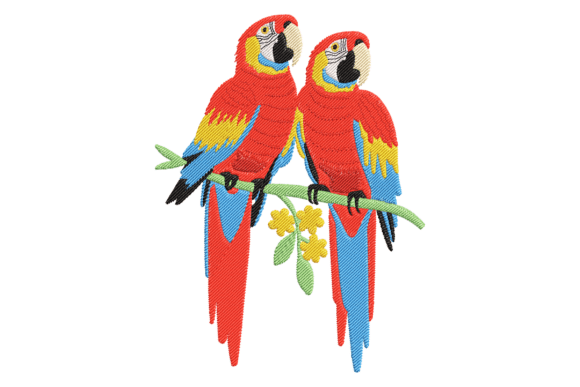
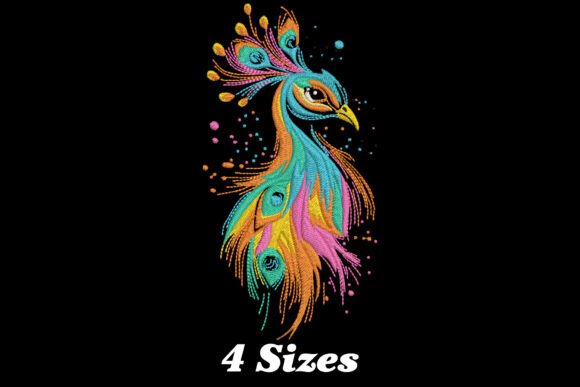
When I first opened the embroidery file for the Colorful Peacock, the immediate impression was one of playful elegance. Unlike some rigid, geometric bird designs, this piece feels organic. The layout suggests a balance between detailed feather work and clean outlines, which is crucial for maintaining visual clarity without overwhelming the fabric. The color palette implied by the name suggests a high-contrast opportunity, perfect for making a statement on neutral backgrounds. For an Etsy seller or a boutique owner looking to add a "wow" factor to their inventory, the mood is right—it feels like a finished product waiting to happen rather than a generic clipart element.
The design naturally leans towards a decorative accent rather than a subtle logo. It has the kind of personality that demands attention, making it an excellent candidate for custom apparel where you want the customer to stop and admire the craftsmanship. However, its complexity means it requires careful placement. It is not a design you would hide in a corner; it needs to be the star of the show.
Testing the Design: A Real-World Scenario
To truly understand the potential of the Colorful Peacock, I imagined a specific project: creating a limited run of personalized tote bags for a local craft fair. Tote bags are a staple for many craft businesses, but they are also notorious for being unforgiving. The canvas texture can eat up fine details, and the fabric often shifts during stitching.
In this scenario, I would position the peacock on the front panel, slightly off-center to allow for text or a date below it. The fill stitch areas in the tail feathers are dense enough to cover the weave of the canvas, ensuring the colors pop. If I were using a lighter linen blend, the satin stitch elements along the body and beak would need to be crisp to maintain definition. The result? A handmade product that feels premium. Customers buying these bags aren't just getting a carrier for groceries; they are buying a piece of art. This level of detail builds customer trust and justifies a higher price point compared to screen-printed alternatives.
I also considered using this design for sweatshirt embroidery. Here, the challenge changes. Fleece is thick and fluffy. If the stitch density is too low, the fabric will show through the gaps in the feathers, ruining the illusion of color. However, if the density is correct, the softness of the sweatshirt contrasts beautifully with the sharp lines of the peacock, creating a cozy yet stylish look perfect for holiday gifts or small shop merchandise.
Navigating Fabric Challenges and Limitations
While the Colorful Peacock is versatile, it is not a "one-size-fits-all" solution. As a professional reviewer, I must highlight where this design requires caution. First, consider the hoop size. If the design is large, attempting to fit it into a 4x4 inch hoop could compress the stitches, leading to puckering. Always verify the dimensions against your machine's capabilities before starting.
Secondly, textured fabrics and thin materials pose risks. On very thin silk or chiffon, the weight of the thread in the tail feathers might cause the fabric to distort or tear. In such cases, a heavy-duty stabilizer is non-negotiable. Similarly, on dark fabrics, the light colors of the peacock will stand out, but you may need a backing layer to prevent the black fabric from showing through the lighter threads.
For caps and hats, the curved surface can be tricky. The intricate details of the bird's head might get lost if the cap panel is too small or the curve too steep. It is often safer to use this design as an embroidered patch applied to the hat rather than stitching it directly onto the curved brim. This ensures the integrity of the Birds category aesthetic remains intact.
Practical Notes for the Professional Maker
If you are planning to incorporate the Colorful Peacock into your workflow, whether for personal use or commercial sale, follow these practical steps to ensure success:
- Test on Scrap Fabric: Never skip this step. Stitch the design on a scrap of the exact fabric you intend to use. Check for tension issues, especially in the transition between the running stitch outlines and the fill areas.
- Review Thread Colors: While the file comes with default colors, adjust them to match your brand or the specific item. A mismatched thread can ruin the visual appeal of even the best design.
- Check Stabilizer Needs: Given the likely density of the tail feathers, use a cut-away stabilizer for knits and a tear-away for wovens to support the structure of the finished product.
- Inspect Small Details: Zoom in on the digital preview. Are there tiny letters or minute details that might disappear after stitching? If so, consider simplifying those areas manually in your software.
- Mockup Your Products: Use a printable mockup or a digital tool to visualize the design on a t-shirt, pillow cover, or apron. This helps you sell the idea to clients or create better listings for your online shop.
- Verify Licensing: Before selling items featuring the Colorful Peacock, confirm the license terms. Some digital embroidery files are for personal use only, while others allow for commercial sales of finished goods. Always clarify this to protect your business.
Final Verdict: Is It Worth Adding to Your Library?
The Colorful Peacock is a strong addition to any embroidery project library, provided you respect its requirements. It excels in adding a touch of charm and sophistication to home decor, baby items, and fashion accessories. Its ability to elevate a simple towel into a gift-worthy item or transform a plain shirt into a conversation starter makes it a valuable asset for creative entrepreneurs.
However, its value lies in execution. A poorly stabilized stitch on the wrong fabric will make even the most beautiful design look amateurish. By taking the time to test, stabilize, and place the design correctly, you ensure that the final result reflects your professionalism. For those looking to expand their catalog of design assets with something that offers both visual impact and versatility, this machine embroidery design delivers exactly what it promises: a dash of charm that enhances any fabric it touches.